This is some text inside of a div block.

Narrate your day, read together and name pictures, pause to give your child time to respond, and build on the words they use. Responding to every sound, gesture, and word shows your child that communicating works.

This is some text inside of a div block.

No. Children under 3 can be evaluated for free through your state's Early Intervention program, and you can call without a doctor's referral. Coral Care also offers in-home speech evaluations with no referral needed, and most families book within 1 to 2 weeks.

This is some text inside of a div block.

Speech delays are common, and every child develops at their own pace. A delay can have many explanations, so the best next step is talking with your pediatrician or a speech-language pathologist. They can answer your questions, look at your child's overall development, and, if needed, help you explore further evaluation.

This is some text inside of a div block.

Often, yes. Hearing affects how children learn to talk, so pediatricians commonly recommend a hearing test with an audiologist alongside a speech evaluation when talking is behind.

This is some text inside of a div block.

Most 2-year-olds know anywhere from 50 to 250 words and are starting to string two words together, according to Coral Care's toddler milestones guide. If your child isn't using two-word phrases by 24 months, it's a good time to check in with your pediatrician.

This is some text inside of a div block.

Yes. Coral Care provides in-home speech, occupational, and physical therapy in Texas, including the Houston area, with no referral needed. Coral Care is in-network with most major plans, and self-pay is $250 for an evaluation and $125 per session.

This is some text inside of a div block.

Talk with your pediatrician. If your child is under 3, you can contact Texas Early Childhood Intervention (ECI) directly for a free evaluation, no referral needed. Children 3 and older can be evaluated through your local public school district.

This is some text inside of a div block.

Yes. Public libraries, nonprofit support communities, and local programs often offer free activities, materials, and family events. Our guide above lists options, and each organization can confirm what it currently offers.

This is some text inside of a div block.

Coral Care provides in-home speech, occupational, and physical therapy in Texas with no referral needed. Most families book an evaluation within 1 to 2 weeks, and Coral Care is in-network with most major plans. See insurance and payment details.

This is some text inside of a div block.

Ask about staff training, group size, and how the program handles sensory or behavior needs, and share your child's needs up front so staff can plan accommodations. A trial visit can help your child get comfortable.

This is some text inside of a div block.

Houston families can find support communities, adaptive recreation and after-school programs, and inclusive library programs. Our guide above lists options around Houston. Contact each program to confirm current schedules and eligibility.

This is some text inside of a div block.

Coral Care provides in-home speech, occupational, and physical therapy in Texas with no referral needed. Most families book an evaluation within 1 to 2 weeks, and Coral Care is in-network with most major plans. See insurance and payment details.

This is some text inside of a div block.

Learn your rights under IDEA, keep copies of evaluations and school communication, and put requests in writing. Parent training programs and advocacy organizations can help you prepare for IEP meetings.

This is some text inside of a div block.

Yes. Many Austin-area nonprofits, advocacy groups, and parent networks offer free classes, support groups, and information for families. Our guide above lists options, and each organization can confirm what it currently offers.

This is some text inside of a div block.

Coral Care provides in-home speech, occupational, and physical therapy in Texas with no referral needed. Most families book an evaluation within 1 to 2 weeks, and Coral Care is in-network with most major plans. See insurance and payment details.

This is some text inside of a div block.

Your school district's special education office can walk you through evaluations, IEPs, and your rights under the Individuals with Disabilities Education Act (IDEA). The Texas Education Agency also publishes parent guides on special education.

This is some text inside of a div block.

Austin families can turn to parent education programs, disability advocacy organizations, statewide parent networks, and local support groups. Our guide above lists options in the Austin area. Contact each organization directly to confirm current programs, eligibility, and costs.

This is some text inside of a div block.

Yes. A pediatric occupational therapist can help your child build tolerance for everyday sensory experiences and give your family strategies for outings. Coral Care offers in-home OT in Illinois, with no referral needed.

This is some text inside of a div block.

Ask for a quieter time slot, share your child's triggers ahead of time, and ask whether they can skip loud tools like blow-dryers or slow the pace. Many kid-focused providers will adjust when they know what helps.

This is some text inside of a div block.

Preview the place together with photos or a short social story, plan to arrive when it's quieter, and bring comfort items like noise-reducing headphones. When you arrive, find the quiet areas and exits so your child knows where to take a break.

This is some text inside of a div block.

Look for museums, theaters, and play spaces that offer sensory-friendly hours or performances, which usually mean lower sound, softer lighting, and smaller crowds. Our guide above lists therapist-picked spots around Chicago. Schedules change, so confirm dates and hours with each venue before you go.

This is some text inside of a div block.

Yes. A pediatric occupational therapist can help your child build tolerance for everyday sensory experiences and give your family strategies for outings. Coral Care offers in-home OT in Massachusetts, with no referral needed.

This is some text inside of a div block.

Ask for a quieter time slot, share your child's triggers ahead of time, and ask whether they can skip loud tools like blow-dryers or slow the pace. Many kid-focused providers will adjust when they know what helps.

This is some text inside of a div block.

Preview the place together with photos or a short social story, plan to arrive when it's quieter, and bring comfort items like noise-reducing headphones. When you arrive, find the quiet areas and exits so your child knows where to take a break.

This is some text inside of a div block.

Look for museums, theaters, and play spaces that offer sensory-friendly hours or performances, which usually mean lower sound, softer lighting, and smaller crowds. Our guide above lists therapist-picked spots around Boston. Schedules change, so confirm dates and hours with each venue before you go.

This is some text inside of a div block.

Yes. A pediatric occupational therapist can help your child build tolerance for everyday sensory experiences and give your family strategies for outings. Coral Care offers in-home OT in Texas, with no referral needed.

This is some text inside of a div block.

Ask for a quieter time slot, share your child's triggers ahead of time, and ask whether they can skip loud tools like blow-dryers or slow the pace. Many kid-focused providers will adjust when they know what helps.

This is some text inside of a div block.

Preview the place together with photos or a short social story, plan to arrive when it's quieter, and bring comfort items like noise-reducing headphones. When you arrive, find the quiet areas and exits so your child knows where to take a break.

This is some text inside of a div block.

Look for museums, theaters, and play spaces that offer sensory-friendly hours or performances, which usually mean lower sound, softer lighting, and smaller crowds. Our guide above lists therapist-picked spots around Austin. Schedules change, so confirm dates and hours with each venue before you go.

This is some text inside of a div block.

Yes. A pediatric occupational therapist can help your child build tolerance for everyday sensory experiences and give your family strategies for outings. Coral Care offers in-home OT in Texas, with no referral needed.

This is some text inside of a div block.

Ask for a quieter time slot, share your child's triggers ahead of time, and ask whether they can skip loud tools like blow-dryers or slow the pace. Many kid-focused providers will adjust when they know what helps.

This is some text inside of a div block.

Preview the place together with photos or a short social story, plan to arrive when it's quieter, and bring comfort items like noise-reducing headphones. When you arrive, find the quiet areas and exits so your child knows where to take a break.

This is some text inside of a div block.

Look for museums, theaters, and play spaces that offer sensory-friendly hours or performances, which usually mean lower sound, softer lighting, and smaller crowds. Our guide above lists therapist-picked spots around Dallas. Schedules change, so confirm dates and hours with each venue before you go.

This is some text inside of a div block.

Yes. A pediatric occupational therapist can help your child build tolerance for everyday sensory experiences and give your family strategies for outings. Coral Care offers in-home OT in Pennsylvania, with no referral needed.

This is some text inside of a div block.

Ask for a quieter time slot, share your child's triggers ahead of time, and ask whether they can skip loud tools like blow-dryers or slow the pace. Many kid-focused providers will adjust when they know what helps.

This is some text inside of a div block.

Preview the place together with photos or a short social story, plan to arrive when it's quieter, and bring comfort items like noise-reducing headphones. When you arrive, find the quiet areas and exits so your child knows where to take a break.

This is some text inside of a div block.

Look for museums, theaters, and play spaces that offer sensory-friendly hours or performances, which usually mean lower sound, softer lighting, and smaller crowds. Our guide above lists therapist-picked spots around Pittsburgh. Schedules change, so confirm dates and hours with each venue before you go.

This is some text inside of a div block.

Yes. A pediatric occupational therapist can help your child build tolerance for everyday sensory experiences and give your family strategies for outings. Coral Care offers in-home OT in Pennsylvania, with no referral needed.

This is some text inside of a div block.

Ask for a quieter time slot, share your child's triggers ahead of time, and ask whether they can skip loud tools like blow-dryers or slow the pace. Many kid-focused providers will adjust when they know what helps.

This is some text inside of a div block.

Preview the place together with photos or a short social story, plan to arrive when it's quieter, and bring comfort items like noise-reducing headphones. When you arrive, find the quiet areas and exits so your child knows where to take a break.

This is some text inside of a div block.

Look for museums, theaters, and play spaces that offer sensory-friendly hours or performances, which usually mean lower sound, softer lighting, and smaller crowds. Our guide above lists therapist-picked spots around Philadelphia. Schedules change, so confirm dates and hours with each venue before you go.

This is some text inside of a div block.

Keep the first visit short so it ends on a high note, go when it's quiet, and bring a snack and water. If your toddler could use more support with movement, play, or sensory needs, Coral Care offers in-home occupational and physical therapy in Massachusetts, with no referral needed.

This is some text inside of a div block.

Weekday mornings or right after opening are usually calmest, with fewer crowds and less noise. Hours and programs change often, so check the venue's website or call before you go.

This is some text inside of a div block.

Look for a space with a separate area for toddlers, manageable crowds, and a quiet spot to take a break. Smaller, age-specific spaces are often calmer for young children than large, mixed-age play centers. Our guide above lists therapist and parent picks to start with.

This is some text inside of a div block.

Keep the first visit short so it ends on a high note, go when it's quiet, and bring a snack and water. If your toddler could use more support with movement, play, or sensory needs, Coral Care offers in-home occupational and physical therapy in Texas, with no referral needed.

This is some text inside of a div block.

Weekday mornings or right after opening are usually calmest, with fewer crowds and less noise. Hours and programs change often, so check the venue's website or call before you go.

This is some text inside of a div block.

Look for a space with a separate area for toddlers, manageable crowds, and a quiet spot to take a break. Smaller, age-specific spaces are often calmer for young children than large, mixed-age play centers. Our guide above lists therapist and parent picks to start with.

This is some text inside of a div block.

Keep the first visit short so it ends on a high note, go when it's quiet, and bring a snack and water. If your toddler could use more support with movement, play, or sensory needs, Coral Care offers in-home occupational and physical therapy in Illinois, with no referral needed.

This is some text inside of a div block.

Weekday mornings or right after opening are usually calmest, with fewer crowds and less noise. Hours and programs change often, so check the venue's website or call before you go.

This is some text inside of a div block.

Look for a space with a separate area for toddlers, manageable crowds, and a quiet spot to take a break. Smaller, age-specific spaces are often calmer for young children than large, mixed-age play centers. Our guide above lists therapist and parent picks to start with.

This is some text inside of a div block.

Milestone guides describe typical development, but every child's path is individual. If your child has a diagnosis, their developmental team can help you understand what milestones are most meaningful in their context and what support makes sense.

This is some text inside of a div block.

Kindergarten readiness isn't all-or-nothing. Most children have areas of strength and areas that are still developing. A pediatric occupational therapist, speech therapist, or physical therapist can evaluate specific areas of concern and provide targeted support before the school year begins.

This is some text inside of a div block.

Some sounds are still developing at five — including r, l, s, sh, ch, and th. If your child's speech is mostly understandable but a few sounds are off, that's often within normal range. If overall intelligibility is low, or if you're hearing concerns from preschool teachers, an evaluation from a speech-language pathologist is worthwhile.

This is some text inside of a div block.

Yes, but the frequency and intensity should be trending down from the peak around 18-24 months. If tantrums are increasing, lasting very long, or becoming unsafe, an occupational therapist can help with emotional regulation strategies.

This is some text inside of a div block.

3-word sentences are the benchmark at 36 months. If your child is below that, reaching out to a speech-language pathologist for an evaluation is a reasonable and low-stakes step — it gives you information and, if needed, a plan.

This is some text inside of a div block.

Tantrums are developmentally typical at this age, but frequency and intensity vary a lot. If meltdowns are happening many times a day, lasting a long time, or becoming unsafe, an occupational therapist can help with sensory and emotional regulation strategies.

This is some text inside of a div block.

At 30 months, familiar adults should understand most of what a child says. If even you are having frequent difficulty understanding your toddler, or if strangers understand very little, a speech-language pathology evaluation is worth pursuing.

This is some text inside of a div block.

No. In-home therapy is in-person therapy that takes place in your home rather than in a clinic. The therapist is physically present.

This is some text inside of a div block.

In most cases, yes. Many insurance plans that cover in-person therapy also cover teletherapy.

This is some text inside of a div block.

At Coral Care, evaluations take place in your home and you are present throughout.

This is some text inside of a div block.

Speech and OT evaluations typically take 60 to 90 minutes. PT evaluations are often 45 to 75 minutes.

This is some text inside of a div block.

Some children develop greater sensory tolerance with therapeutic support. The goal of therapy is building tools to function well despite sensory sensitivities.

This is some text inside of a div block.

No, though they frequently co-occur. SPD can exist independently of autism.

This is some text inside of a div block.

Yes. School-based therapy and private therapy are not mutually exclusive.

This is some text inside of a div block.

No. Your child must separately qualify under Part B eligibility criteria, which many EI children do not meet — particularly if they've made significant progress.

This is some text inside of a div block.

You have rights. You can request an independent educational evaluation at the school district's expense, file a state complaint, or request mediation or a due process hearing. You are an equal member of the IEP team and do not have to accept a determination you disagree with.

This is some text inside of a div block.

Yes. An IEP and private in-home therapy are not mutually exclusive. Many families use both — supplementing what the school provides with additional sessions at home, especially when school-based frequency isn't sufficient for their child's needs.

This is some text inside of a div block.

An IFSP (Individualized Family Service Plan) is used in early intervention (birth to 3) and is centered on your family's routines and goals. An IEP (Individualized Education Program) is used in school-based special education (ages 3-21) and focuses on your child's educational needs. The shift from IFSP to IEP also means a shift from home-based to school-based services.

This is some text inside of a div block.

By law, transition planning must begin at least 90 days before your child's third birthday. Many EI programs start the process even earlier — up to six months out — to ensure evaluations are completed and an IEP is in place by the birthday.

This is some text inside of a div block.

No. Qualifying for early intervention doesn't guarantee an IEP. School districts use different eligibility criteria under Part B of IDEA, and some children — especially those who've made significant progress in EI — won't meet the threshold. If your child doesn't qualify, private therapy remains available.

This is some text inside of a div block.

Early intervention services stop on your child's third birthday. At that point, your child may qualify for school-based services through an IEP, or you can continue services through private in-home therapy like Coral Care. The transition doesn't have to mean a gap in care.

This is some text inside of a div block.

Yes. Coral Care provides in-home speech therapy, occupational therapy, and physical therapy for children across Massachusetts. Many families use private in-home therapy to bridge the gap after EI, supplement an IEP, or as their primary therapy option.

This is some text inside of a div block.

Once you give consent, the school district has 30 school days to complete the evaluation and 45 school days to hold the Team meeting and develop an IEP if your child is found eligible.

This is some text inside of a div block.

No. Massachusetts school districts use different eligibility criteria than the EI program. Many children who received EI services don't qualify for a school-based IEP, particularly if they've made strong progress. If your child doesn't qualify, private therapy remains an option.

This is some text inside of a div block.

A TPC is the required meeting between your EI team, the school district, and you that kicks off the age-3 transition. It must happen at least 90 days before your child's third birthday. At the TPC, the team reviews your child's current services and sets the timeline for evaluation and IEP development.

This is some text inside of a div block.

Massachusetts EI services end on your child's third birthday. Before that, your EI program refers your child to your local school district, which evaluates them for special education eligibility. If they qualify, an IEP is developed. If not — or if you want more than the IEP provides — private in-home therapy is an option.

This is some text inside of a div block.

Yes. Coral Care provides in-home speech therapy, occupational therapy, and physical therapy for children across Connecticut. Many families use it to bridge the gap after Birth to Three ends, supplement school-based services, or as a primary option when an IEP isn't available or sufficient.

This is some text inside of a div block.

No. Birth to Three eligibility doesn't carry over. The school district evaluates your child under different criteria, and some children who received Birth to Three services won't qualify for school-based special education. If your child doesn't qualify, private therapy remains an option.

This is some text inside of a div block.

After the transition conference, the school district conducts a domain review — a structured process to determine whether existing evaluations are sufficient or whether new assessments are needed before making an eligibility determination. You'll be asked to sign consent for any additional evaluations.

This is some text inside of a div block.

Call the Child Development Infoline at 1-800-505-7000. They can connect you with the Birth to Three program serving your area. There are 19 programs across the state.

This is some text inside of a div block.

Birth to Three services end on your child's third birthday. Your service coordinator initiates a transition to your local school district, which evaluates your child for special education eligibility. If they qualify, an IEP is put in place. If not, or if you want more support than the IEP offers, private in-home therapy is available.

This is some text inside of a div block.

Yes. Coral Care provides in-home speech therapy, occupational therapy, and physical therapy for children in New Hampshire. Many families use in-home therapy to continue the home-based model they had in FCESS, either as a supplement to school services or as a primary option.

This is some text inside of a div block.

The Parent Information Center of NH (PIC) at picnh.org is a statewide resource staffed by family advocates who can help you understand your rights, prepare for meetings, and navigate the special education system. Their services are free.

This is some text inside of a div block.

No. School districts use different eligibility criteria than FCESS, and not all children who received early supports will qualify for preschool special education. New Hampshire requires written parental consent at each step of the special education process.

This is some text inside of a div block.

FCESS ends on your child's third birthday. Transition planning begins before your child turns two. With your consent, your service coordinator connects you with your local school district for a Part B eligibility evaluation. If your child qualifies, an IEP is developed. If not, private therapy is available.

This is some text inside of a div block.

FCESS stands for Family Centered Early Supports and Services — New Hampshire's early intervention program for children birth to age 3. It uses a parent coaching model, meaning services are designed to build your capacity to support your child's development in everyday routines. FCESS ends on your child's third birthday.

This is some text inside of a div block.

Yes. Coral Care provides in-home speech therapy, occupational therapy, and physical therapy for children across Rhode Island. Many families use in-home therapy to maintain continuity after EI ends, especially if their child doesn't qualify for ECSE or needs more frequency than the IEP provides.

This is some text inside of a div block.

Rhode Island has specific provisions for summer birthdays. The transition conference can be held as early as 27 months to ensure the evaluation and IEP process is completed before the school year ends, preventing a service gap over the summer.

This is some text inside of a div block.

No. EI eligibility doesn't carry over. The school district evaluates your child under different criteria, and some children who received EI services won't qualify for ECSE. Rhode Island tracks and reports on whether IEPs are in place by children's third birthdays, but qualifying is not guaranteed.

This is some text inside of a div block.

ECSE stands for Early Childhood Special Education — the school-based program for children ages 3 to 5 who qualify for special education services under Part B of IDEA. In Rhode Island, ECSE is coordinated through local school districts and governed by shared policies developed jointly with the EI program.

This is some text inside of a div block.

Rhode Island starts earlier than most states. The transition process typically begins when your child is 28 months old, and a transition conference is held around 30 months. For children with significant delays or summer birthdays, it can begin as early as 27 months to prevent any gap in services at the third birthday.

This is some text inside of a div block.

Yes. Coral Care provides in-home speech therapy, occupational therapy, and physical therapy for children across Virginia. Many families use in-home therapy to bridge the gap after ITCVA ends, supplement their child's IEP, or continue the home-based model they found effective in early intervention.

This is some text inside of a div block.

Child Find is a federal requirement under IDEA that obligates Virginia school divisions to actively identify children who may be eligible for special education services. This means you don't have to wait for a referral — you can contact your local school division directly and ask for an evaluation at any time.

This is some text inside of a div block.

No. Virginia school divisions use different eligibility criteria than the ITCVA. Not all children who received EI services will qualify for preschool special education. If your child doesn't qualify, your ITCVA coordinator can help connect you to community and private therapy options.

This is some text inside of a div block.

ITCVA services end at your child's third birthday. Your service coordinator will have been working with you on a transition plan well before that date. With your consent, they connect you with your local school division for a Part B eligibility evaluation. If eligible, an IEP is developed and services begin by the third birthday.

This is some text inside of a div block.

The Infant & Toddler Connection of Virginia (ITCVA) is Virginia's early intervention system for children birth to age 3. It's made up of 40 local programs across the state, each serving specific cities and counties. Services are provided in your home or community and are available regardless of your family's income.

This is some text inside of a div block.

Yes. Coral Care provides in-home speech therapy, occupational therapy, and physical therapy for children across Texas. Many families use in-home therapy to continue uninterrupted care after ECI ends, especially while waiting for school-based services to start or if their child doesn't qualify for ECSE.

This is some text inside of a div block.

No. ECI eligibility doesn't transfer. The school district evaluates your child under different criteria, and some children who received ECI services won't qualify for Early Childhood Special Education (ECSE). ECI staff can help connect you to private and community options if your child doesn't qualify.

This is some text inside of a div block.

ARD stands for Admission, Review, and Dismissal — Texas's term for the IEP team meeting. The ARD committee includes you as an essential member, along with educators and district representatives. You cannot be excluded, and your input is required when developing your child's IEP.

This is some text inside of a div block.

ECI services end at your child's third birthday. With your written consent, ECI contacts your local school district at least 90 days before the birthday to initiate transition. The district evaluates your child, and if eligible, an ARD committee develops an IEP that must be in place by the third birthday.

Early Intervention
/
September 28, 2026

Children are being identified earlier than ever. Here is why that matters.

Families are catching developmental concerns sooner, and earlier is almost always better. See what Coral Care's 2026 data shows about early identification, why it matters so much, and why parents deserve much of the credit.

author
Jen Wirt, Coral Care CEO & Founder
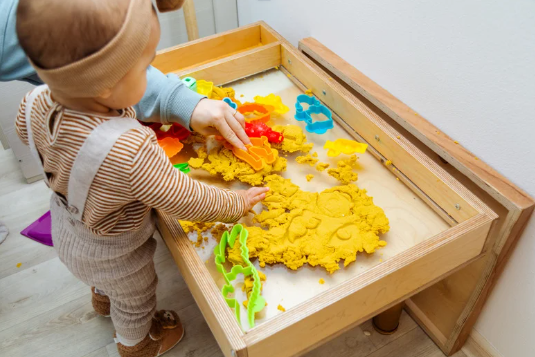
A toddler engaged in play during an early developmental check

Coral Care content is reviewed and approved by our clinical professionals so you you know you're getting verified advice.

Find effective support for developmental delays, quickly.

Self-pay or insurance
In-person and at-home appointments
No waitlist
Find Care

Concerned about your child's development?

Our free screener offers guidance and connects you with the right providers to support your child's journey.

Take the Screener

The most encouraging finding in our 2026 data is also the easiest to miss: families are catching developmental concerns sooner, and earlier is almost always better.

Most of the conversation about children's development right now is worried. Worried about screens, worried about reading scores, worried about attention and regulation and the state of childhood in general. A lot of that worry is earned, and our 2026 State of Pediatric Development report does not look away from it.

But the single clearest trend in our own data is good news, and it deserves to be said plainly. Children are being identified earlier than they used to be. Parents are noticing sooner, asking sooner, and acting sooner. That is the most important improvement in pediatric care in the last decade, and a great deal of the credit belongs to parents themselves.

What the numbers show

Across the children evaluated through Coral Care, the median age at first evaluation dropped by more than two months in a single year. That may not sound dramatic, but at a population level a shift like that is significant. It means a meaningful share of children are reaching support during the developmental windows when intervention does the most good, rather than after.

The share of our evaluations for children under age three has grown. And this tracks with what is happening nationally. Outside our data, the median age of a first autism diagnosis for boys dropped from seven years old to five between 2015 and 2024. Federal surveillance data shows children born more recently are being identified by 48 months at notably higher rates than children born just four years earlier.

The system that finds children who need support is working better at the earliest ages than it ever has.

Why earlier is better

The reason early identification matters so much is not complicated, and it is one of the most consistent findings in all of developmental science. The earlier a child receives support for a developmental concern, the better that child tends to do.

Young brains are remarkably adaptable. The connections that govern speech, movement, sensory processing, and regulation are forming fastest in the first years of life. Support delivered during those windows works with that natural plasticity rather than against the grain of habits already set. A speech difference addressed at two is a different project than the same difference addressed at six. Neither is hopeless. The earlier one is simply easier, faster, and more complete.

This is why the slow drift toward earlier identification is the most hopeful thing in our report. Every month earlier that a child is seen is a month of development happening with support instead of without it.

Parents are the reason

It would be easy to credit this shift to better screening tools or more pediatric awareness, and both have helped. But the engine underneath it is parents.

This generation of parents is the most developmentally informed in history. They talk about regulation and sensory processing and milestones in ways their own parents never did. They complete developmental screeners on their phones after the kids are asleep. They notice the thing that seems a little off and they follow that instinct instead of waiting for someone to tell them it is allowed. They show up to appointments with specific questions and they do not leave satisfied with "let's wait and see" when their gut says otherwise.

That instinct is reliable. In our experience, a parent who has been quietly worried about their child for months is usually noticing something real. The improvement in early identification is, at bottom, a story about parents being taken more seriously and trusting themselves more.

The honest caveat

Earlier identification is real, and it is good. It is also uneven.

The children being caught earliest are not evenly distributed across the country. Earlier identification still skews toward families with more income, more flexibility, more proximity to providers, and more familiarity with how the system works. Families in rural areas, families navigating the system in a second language, and families without the time or means to chase down an evaluation are still more likely to be identified later, if at all.

So the progress is genuine, and the gap is also genuine. Both things are true. The work ahead is making early identification something every family gets, not a benefit that tracks with privilege.

What this means for your family

If you have been wondering whether the thing you have noticed in your child is worth acting on, the most evidence-based answer is almost always yes, and sooner rather than later. Early support is not an overreaction. Waiting is the bigger risk.

The encouraging part of our report is that more families are reaching that conclusion on their own, and reaching it earlier. That is a generation of parents quietly changing the trajectory of children's development, one early phone call at a time.

Coral Care provides pediatric occupational, physical, and speech therapy delivered in person, in your child's own environment, in network with major commercial insurance, with no diagnosis required to start. The full 2026 State of Pediatric Development report is available at joincoralcare.com.

Frequently Asked Questions

Is early identification equally available to all families?

Not yet, and this is the honest caveat. Earlier identification still skews toward families with more income, flexibility, proximity to providers, and familiarity with the system. Families in rural areas, navigating in a second language, or without the time to chase an evaluation are still more likely to be identified later. The progress is real, and so is the gap.

Is my child too young to be evaluated?

Almost certainly not. The share of evaluations for children under age three has grown, and earlier is where support tends to pay off most. If you have noticed something, acting on it early is not an overreaction. Waiting is usually the bigger risk.

Why does identifying a developmental concern earlier matter so much?

Young brains are remarkably adaptable, and the connections that govern speech, movement, sensory processing, and regulation form fastest in the first years of life. Support delivered during those windows works with that natural plasticity. A difference addressed at two is an easier, faster, more complete project than the same difference addressed at six. Every month earlier is a month of development happening with support instead of without it.

Related Blogs