

Coral Care content is reviewed and approved by our clinical professionals so you you know you're getting verified advice.

Our free screener offers guidance and connects you with the right providers to support your child's journey.
Screens are part of family life. They're how grandparents read bedtime stories from three states away, how dinner gets cooked some nights, and how long car rides survive. So let's skip the guilt and get to what speech-language pathologists actually want parents to understand: how screen time interacts with early language development, and the handful of changes that matter most.
What the research consistently shows
Across many studies, a few findings repeat:
- Language is learned through back-and-forth interaction. Babies and toddlers build language from serve-and-return exchanges with responsive people: you say something, they respond, you respond to that. Video, even high-quality educational video, delivers words without that loop, and very young children learn far less language from it. Researchers call this the video deficit.
- More passive screen time in the toddler years is associated with fewer words heard and spoken at home. Every hour of background or passive viewing tends to displace conversational turns, and conversational turns are the raw material of language growth.
- Background TV matters too. Even when nobody is watching, a TV running in the background measurably reduces how much parents and children talk to each other.
- Co-viewing changes the math. When an adult watches alongside a child, naming, commenting, and connecting the screen to real life, some of the interactive loop comes back. Video chat with a responsive person, like a grandparent, works differently than passive video for the same reason.
One important caution: screen time is associated with language differences in research, but association isn't destiny for your individual child. Plenty of kids with typical screen habits have speech delays, and reducing screens alone doesn't treat a delay. If your child is behind on language milestones, the screen conversation matters, but an evaluation matters more.
What SLPs actually recommend
- Protect the talk-heavy moments. Meals, bath, diaper changes, car rides, and stroller walks are prime language time. Keeping even two of these screen-free preserves hundreds of daily conversational turns.
- Turn off background TV. The single easiest change with the best evidence behind it.
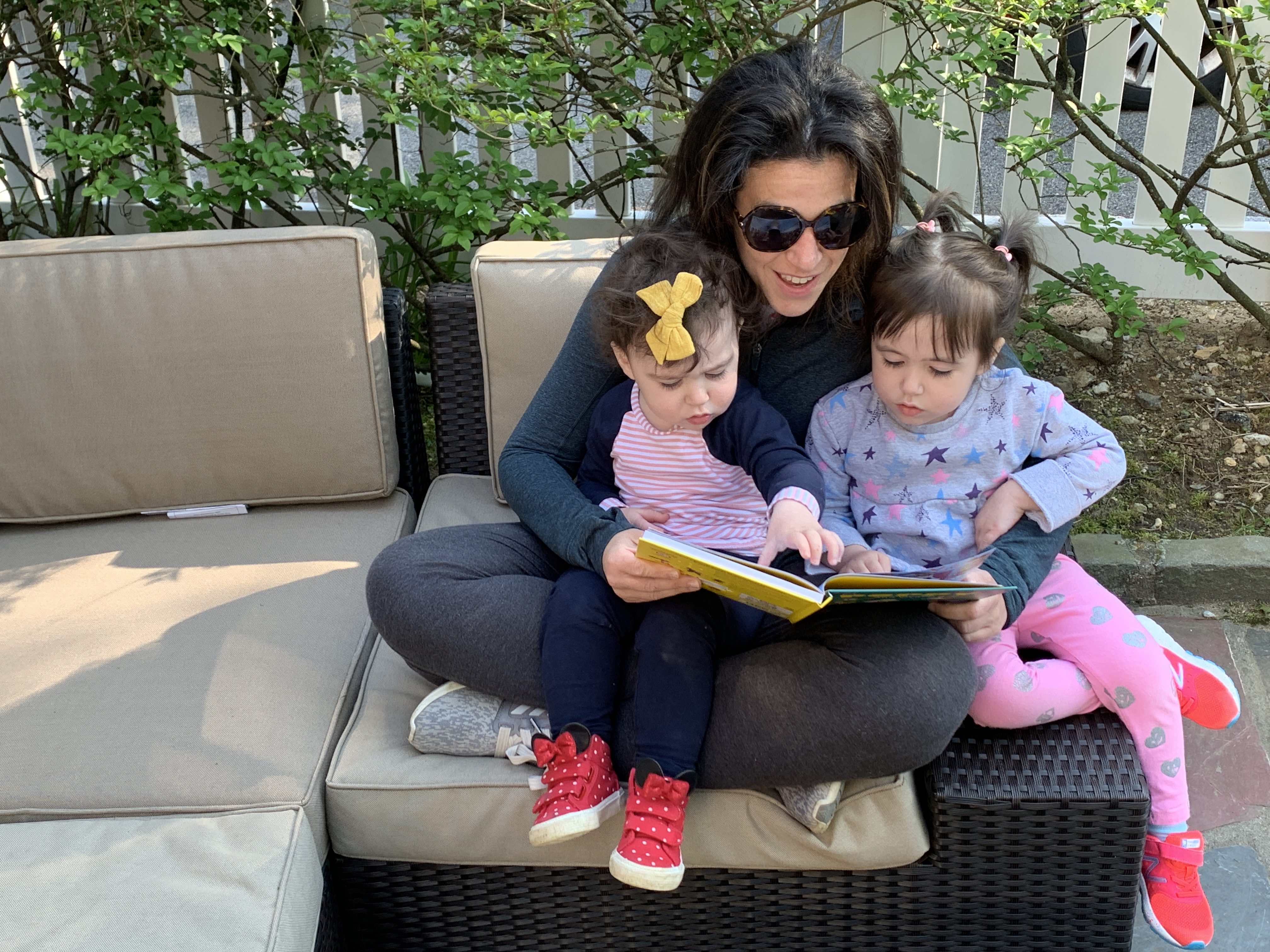
- Watch together when you can. Narrate, point, ask questions, repeat the words later in real life. "That's a digger! We saw a digger at the park."
- Favor slow, interactive, repetitive content over fast-cut shows, and favor video chat with real people over any of it.
- Don't use the screen to end every hard moment. Toddlers who always get a screen during frustration get fewer chances to practice communicating those feelings, with words, gestures, or sounds.
Notice what's not on the list: zero screens forever. The goal is protecting interaction, not perfection.
When to think beyond screens
If your toddler isn't meeting language milestones, screens are rarely the whole story. Check our guide on how many words your child should have by age, and the signs of a speech delay in toddlers. If your child is 18 to 24 months with few words, isn't combining words by age 2, or you simply have a nagging feeling, a speech evaluation is the right next step. Early support changes outcomes, and waiting to see rarely helps. Our post on late talkers vs. speech delays explains why.
Getting support
Coral Care connects families with licensed speech-language pathologists who come to you for in-person sessions in your living room, covered by commercial insurance, across MA, CT, NH, RI, PA, VA, TX, IL, and NJ. Your SLP will look at your child's whole communication picture, screens included, without judgment. Get started here.
Frequently Asked Questions
Video chat works differently than passive video because it preserves the back-and-forth interaction that drives language learning. A grandparent on a video call responds to your child in real time, which is exactly the serve-and-return loop that recorded shows can't provide. That's why pediatric guidance treats video chat as an exception even for babies under 18 months.
Yes, more than most parents realize. Studies consistently find that a TV running in the background, even when nobody is watching it, measurably reduces how much parents and children talk to each other and how focused a child's play is. Turning off background TV is one of the simplest, best-evidenced changes a family can make for language development.
Pediatric guidelines generally recommend avoiding screens other than video chat before 18 to 24 months, and limiting screens to about an hour a day of high-quality content, ideally co-viewed with an adult, for ages 2 to 5. From a language standpoint, how screens are used matters as much as how much: co-viewed, slow, interactive content with a talking adult beats passive solo viewing at any duration.
Research shows an association between heavy passive screen time in the toddler years and slower language growth, mainly because video displaces back-and-forth conversation, which is how young children learn language. But association isn't causation for any individual child, and plenty of children with typical screen habits have speech delays. If your child is behind on language milestones, an evaluation matters more than the screen debate.