

Coral Care content is reviewed and approved by our clinical professionals so you you know you're getting verified advice.

Our free screener offers guidance and connects you with the right providers to support your child's journey.
Boston has more for families than almost any city its size, but between the crowds, the noise, and the weather that keeps everyone indoors half the year, a simple outing can quickly become too much for a child who takes in the world with the volume turned up. The good news is that sensory-friendly activities in Boston for kids are out there in every neighborhood. We asked the Coral Care therapists who work with Boston families, and the families themselves, where they actually go.
Calm places to play and move
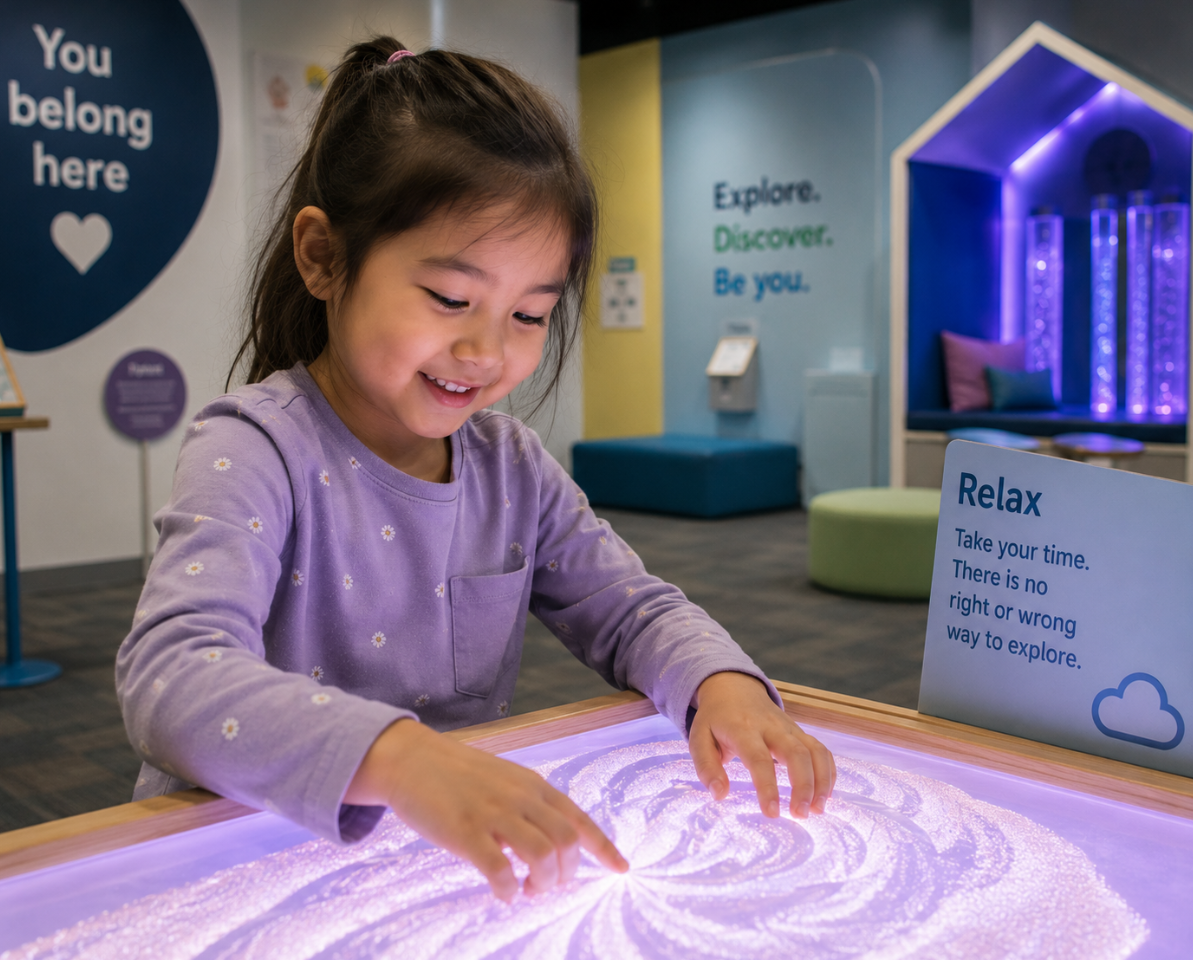
Big movement helps many kids feel regulated. The Boston Children's Museum is built for open-ended, self-directed exploration, so you can let your child lead and linger. Boston Budo draws active kids into focus and self-regulation work in a way that clicks for a lot of children. For something gentler, All That Jazz Dance Studio in Newton runs creative movement for two to six year olds that builds body awareness more than technique.
Inclusive classes worth a look
When you are choosing a class, ask whether it runs on a recreational or competitive track, since the culture differs a lot. New Generation Martial Arts in Lexington is worth asking about non-competitive kids' classes, which tend to be the better fit for a child who needs a steadier pace.
Creative outlets that settle a busy body
Repetitive, hands-on activities can be organizing. At The Clayroom in Brookline, clay work supports sensory integration and fine motor skills, and the open-studio format lets kids move at their own pace with no performance pressure. At The POP Center in Newton Upper Falls, performing arts build communication and self-expression, and smaller class sizes ease transitions for sensory-sensitive kids, so ask about group size.
Sensory-friendly haircuts
Haircuts are a common sensory battle. Snip-its in Needham can take a quieter appointment, skip the blow-dryers, and pace the cut to your child's comfort if you call ahead. Salon 2323 in Cambridge is a low-key neighborhood kids' salon where a quiet-time appointment makes the experience easier.
Calmer places to eat and gather
Eating out is easier in a spacious, low-pressure room. Legal Sea Foods Harborside pairs a kid-friendly menu with a roomy layout right on the water, and The Abbey in Brookline is a warm, relaxed neighborhood spot with welcoming staff and outdoor seating.
Support for growing bodies
Even the dentist can be sensory-friendly. Newton Pediatric Dentistry is known for putting anxious kids at ease, and Bubble Children's Dentistry, founded by a mom of a child with autism, designed its space to be calming for neurodiverse and nervous kids.
How these spots made the list
None of these places paid to be here. Every recommendation on the Coral Care Local List comes from a pediatric therapist who works with kids in the area, or from a family who has been there with their own child. For more on what makes a place work for a sensory-sensitive child, read our guide on finding sensory-friendly activities for your kid, or browse the nearby Sensory-Friendly Chicago guide.
Plan your next outing
See the full, regularly updated set of therapist-picked spots on the Boston Local List, or browse other cities if you are traveling or new in town. And if everyday sensory experiences are a daily struggle for your child, you can learn how an occupational therapist supports sensory processing and get matched with a Coral Care therapist who comes to you.
Related Reading
Frequently Asked Questions
Yes. A pediatric occupational therapist can help your child build tolerance for everyday sensory experiences and give your family strategies for outings. Coral Care offers in-home OT in Massachusetts, with no referral needed.
Ask for a quieter time slot, share your child's triggers ahead of time, and ask whether they can skip loud tools like blow-dryers or slow the pace. Many kid-focused providers will adjust when they know what helps.
Preview the place together with photos or a short social story, plan to arrive when it's quieter, and bring comfort items like noise-reducing headphones. When you arrive, find the quiet areas and exits so your child knows where to take a break.
Look for museums, theaters, and play spaces that offer sensory-friendly hours or performances, which usually mean lower sound, softer lighting, and smaller crowds. Our guide above lists therapist-picked spots around Boston. Schedules change, so confirm dates and hours with each venue before you go.